ElevenLabs has become the default for many creators who need realistic AI voiceovers. But its pricing, credit system, and usage caps push teams to look elsewhere. In testing for this guide, I focused on six tools that can replace ElevenLabs for narration, dubbing, podcasts, training videos, and API-based voice applications. This is not a spec sheet dump. I tested free tiers, cloning speed, and how natural the output sounds on a real voiceover job. I also looked at whether each tool handles long scripts, technical terms, and commercial use without hidden limits.
Why does this matter in 2026? Voice AI has shifted from robotic text-to-speech to multimodal models that can hold a conversation. Tools like OpenAI TTS and Microsoft Azure Speech charge by the character, while creative suites like Murf and PlayHT bundle editing, voice cloning, and video export. The right choice depends on your workflow, not just the voice. For teams that already use AI for writing, check our best AI tools for marketers and best AI tools for video editing guides to see adjacent tools. If you only need voice, you can skip those suites.
I set a few baselines before testing. The output had to handle a 2,000-word explainer script without tripping over technical terms. Cloning had to work from a 30-second sample where offered. I also checked whether the free tier lets you test before paying. On price, I compared against ElevenLabs’ $5 per month Starter plan with 30,000 credits. The OpenAI pricing page lists TTS at $15 per 1 million characters, which sounds cheap until you realize 1 million characters is roughly 10 hours of audio. That matters for heavy users.
AI voice adoption is not slowing down. Stanford HAI’s latest AI Index report shows enterprise AI adoption continues to climb, and voice interfaces are part of that shift. For customer service and productivity workflows, check our best AI tools for customer service and best AI tools for productivity guides after you pick a voice tool. You should know the trade-offs before you buy, because the cheapest API is not always the best for long-form narration. Now, let’s go through the six options.
How Do the Top Options Compare?
| Tool | Best For | Starting Price | Free Tier | Voice Cloning |
|---|---|---|---|---|
| OpenAI TTS | API builders | $15 per 1M characters | Pay-as-you-go only | No |
| Microsoft Azure Speech | Enterprise apps | $15 per 1M neural characters | 0.5M characters/month | Custom with approval |
| PlayHT | Quick voice cloning | $31.20/month annual | 12,500 credits/month | Yes |
| Murf | Voiceover + video | $19/month annual | 10 minutes/month | Yes on higher plans |
| WellSaid Labs | Corporate training | $49/month annual | 7-day trial only | Yes on Team plans |
| Descript | Podcast/video editing | $12/month annual | 1 hour transcription/month | Yes on Creator+ |
Prices reflect the cheapest monthly plan billed annually where available. Vendor pricing and free tier limits change often, so check the current pages before you buy.
1. OpenAI TTS , Best for API-heavy builders and developers
OpenAI TTS gives you six preset voices and solid multilingual support. It is not a creative studio. You call an endpoint, pass text, and get audio back. The base tts-1 model costs $15 per 1 million characters, while the higher-quality tts-1-hd model costs $30 per 1 million characters, according to the OpenAI pricing page. If you already use GPT models for writing, this fits right into a Python script.
The voice quality is good, but not ElevenLabs-level expressive. For a technical walkthrough, it works. For an audiobook with emotional shifts, you will hear flatness. There is no voice cloning in the standard API. You also do not get an editor, timeline, or dubbing dashboard.
A useful data point: roughly 1 million characters equals about 10 hours of generated speech. That makes the $15 starting rate easy to calculate for bulk projects.
Key strengths:
- ✅ Pay-as-you-go pricing with no monthly commitment
- ✅ Simple API integration for developers
- ✅ Supports multiple languages and accents
- ✅ Affordable at $15 per 1M characters for standard voices
- ✅ Fast generation for short clips
- ❌ No built-in voice cloning for most users
- ❌ Fewer voice customization options than ElevenLabs
- ❌ No visual editor or dubbing workflow
Who it’s for: Developers who want TTS in an app or script without paying for a creative suite.
2. Microsoft Azure Speech , Best for enterprise voice applications and compliance
Azure Speech is the enterprise pick. Its neural voices are used in call centers, accessibility tools, and internal training. The free tier gives you 0.5 million characters per month for neural voices, enough to test a few long narrations. Paid neural voices start at $15 per 1 million characters, as listed on the Microsoft Azure Speech page. If you need a custom neural voice, that costs extra and requires Microsoft approval.
The trade-off is setup complexity. You need an Azure account, a speech resource, and API keys. The documentation is thorough but not beginner-friendly. Output quality is consistent and reliable, which is why regulated teams and large companies choose it.
For small teams that just need a voiceover, Azure feels heavy. But if security, language coverage, and uptime matter more than a slick editor, it is a serious option.
Key strengths:
- ✅ Generous free tier for neural TTS
- ✅ Enterprise security and compliance features
- ✅ Custom neural voice with approval
- ✅ Strong language coverage
- ❌ Complex Azure setup for non-developers
- ❌ No built-in video editor or creative timeline
- ❌ Custom voice approval process is slow
Who it’s for: Technical teams inside companies that need secure, compliant voice generation at scale.
3. PlayHT , Best for quick voice cloning and conversational AI
PlayHT positions itself as a direct ElevenLabs rival. The free plan includes 12,500 credits per month, enough to clone a voice and generate a few minutes. The instant voice cloning tool can work from a 30-second sample. Paid plans start around $31.20 per month billed annually. It also supports 142 languages and accents, which is more than most rivals.
In practice, cloning quality is close to ElevenLabs for short clips. The editor is basic, but exports are clean. If you are already building voice agents, PlayHT has a low-latency API. For writers or marketers who need voiceovers fast, it gets out of the way. Use our best AI tools for writers guide if you want the script side handled too.
The free tier is the main reason to start here. You can test cloning quality without entering a credit card, which is rare in this category.
Key strengths:
- ✅ Free tier includes cloning tests
- ✅ Cloning from as little as 30 seconds
- ✅ Supports 142 languages and accents
- ✅ Fast API for voice assistants
- ❌ Advanced features locked behind higher tiers
- ❌ Editor not as polished as Murf or Descript
- ❌ Cloning quality can dip on long emotional passages
Who it’s for: Creators and developers who need quick voice cloning without ElevenLabs pricing.
4. Murf , Best all-around voiceover and video tool for marketing teams
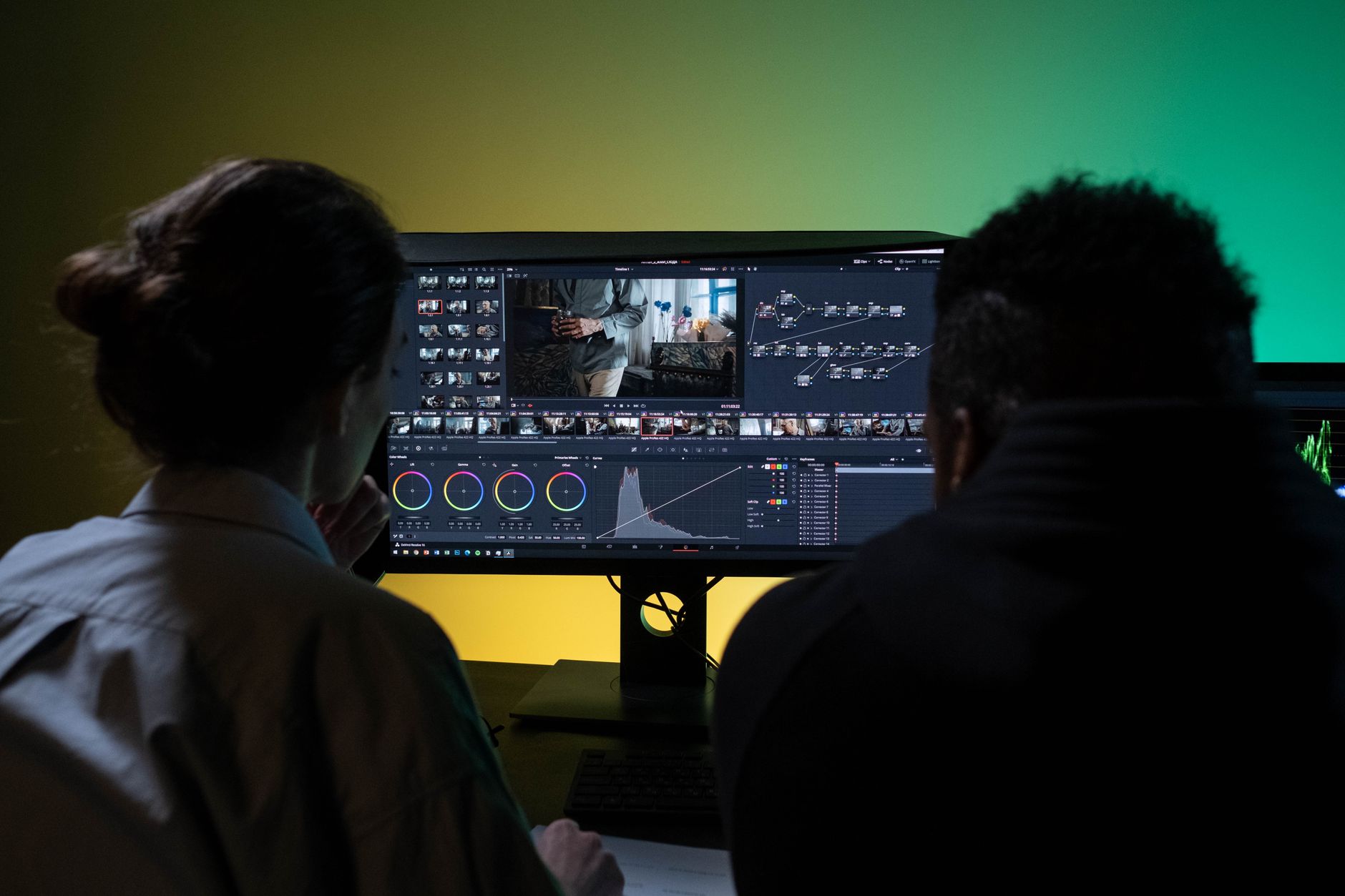
Murf bundles voice generation with a simple video editor. You can sync a voiceover to slides, images, or stock footage inside the app. The free plan gives you 10 minutes of voice generation and lets you try all 200+ voices. Paid plans start at $19 per month billed annually for the Creator plan. That includes commercial use, no watermark, and more voice time.
I used Murf for a 90-second product explainer. The voice pacing felt more controlled than OpenAI TTS. Murf also includes a voice cloning add-on, though you have to contact sales for custom cloned voices on higher plans.
The biggest advantage is not the voice itself. It is the workflow. You can produce a complete video with voiceover, music, and slides without leaving the app. That saves time for small marketing teams.
Key strengths:
- ✅ Built-in video and slide sync editor
- ✅ 200+ voices in 20+ languages
- ✅ Free plan includes 10 minutes of generation
- ✅ Good for product demos and ads
- ✅ Clone voices on higher plans
- ❌ Free plan limits downloads
- ❌ Voice cloning is not instant like PlayHT
- ❌ No API on lower plans
Who it’s for: Marketing and content teams that need voiceover plus simple video editing in one place.
5. WellSaid Labs , Best for corporate training and e-learning narration
WellSaid Labs focuses on consistent, brand-safe voices for training modules and internal videos. Its voice avatars are designed to sound identical across hundreds of clips. You get a 7-day free trial, not a permanent free tier. Paid plans start at $49 per month billed annually for the Maker plan, which includes a set number of downloads.
The strength is control. You can adjust pronunciation, pauses, and emphasis. The weakness is price. If you only need a few minutes per month, WellSaid costs more than PlayHT or Murf. Voice cloning is available on higher Team plans.
For a corporate learning team that records quarterly compliance updates, this consistency and control matter. For a solo YouTuber, it is likely overkill.
Key strengths:
- ✅ Consistent voices for long training content
- ✅ Pronunciation and emphasis controls
- ✅ Secure for enterprise L&D teams
- ✅ High-quality American English voices
- ❌ No permanent free tier
- ❌ Higher starting price than most rivals
- ❌ Limited languages outside English
Who it’s for: Corporate trainers and e-learning creators who value consistency over low cost.
6. Descript , Best for podcasters and video editors who need voice cloning
Descript is the only tool here that edits audio by editing text. You record or import audio, then delete words from the transcript to cut the audio. Its Overdub feature creates a voice clone that you can type new words into. The free plan includes 1 hour of transcription per month and basic editing. Paid plans start at $12 per month billed annually for Hobbyist. Overdub voice cloning is available on Creator and higher.
If you already edit podcasts or YouTube videos, this is the most practical ElevenLabs alternative. It solves a different problem: fixing flubs and making edits without re-recording. The raw TTS quality is good but not as cinematic as ElevenLabs.
For long-form narration, Descript is not the best pure voice tool. For editing, transcription, and minor voice repairs, it is hard to beat.
Key strengths:
- ✅ Text-based audio and video editing
- ✅ Overdub voice cloning integrated into editor
- ✅ Free plan includes 1 hour of transcription
- ✅ Great for podcast and video creators
- ✅ Transcribes and summarizes audio
- ❌ Voice cloning requires paid plan
- ❌ TTS quality below dedicated voice tools for long narration
- ❌ Monthly expenses can climb with add-ons
Who it’s for: Podcasters and video editors who want editing plus voice cloning in the same app.
Frequently Asked Questions
What is the best free ElevenLabs alternative in 2026?
PlayHT has the most useful free tier for testing voice cloning, with 12,500 credits per month. Microsoft Azure Speech gives 0.5 million neural characters per month free, which is better for developers who need API access.
Which ElevenLabs alternative has the most realistic voices?
ElevenLabs still leads in emotional range for audiobooks and character work. Among the alternatives, PlayHT and Murf come closest for short narrations, while WellSaid Labs is the most consistent for corporate training.
Can I clone my voice with these tools?
Yes, but the rules vary. PlayHT can clone from a 30-second sample. Descript offers Overdub voice cloning on paid plans. Microsoft Azure Speech requires a custom neural voice approval process.
What is the cheapest API for text-to-speech?
OpenAI TTS costs $15 per 1 million characters for the standard model. Microsoft Azure Speech also starts at $15 per 1 million neural characters, but it includes a free monthly tier.
Do these tools work for YouTube videos?
Yes. Murf includes a simple video editor for syncing voiceovers. Descript is built for podcast and video editing. PlayHT and OpenAI TTS can generate audio files you can drop into any editor.
Is ElevenLabs worth it compared to these alternatives?
It depends on your use case. ElevenLabs is still the strongest for highly expressive, emotional narration. For marketing videos, podcasts, corporate training, or API apps, the alternatives often cost less and include editing features ElevenLabs lacks.
What Should You Remember?
- OpenAI TTS is the cheapest API option at $15 per 1M characters, but it has no built-in voice cloning.
- Microsoft Azure Speech gives 0.5M free neural characters per month for enterprise testing.
- PlayHT is the fastest way to test voice cloning with a 12,500-credit free tier.
- Murf combines voiceover and video editing starting at $19 per month, ideal for marketing teams.
- Descript solves podcast editing with Overdub voice cloning and a free transcription hour.
- WellSaid Labs costs more, but its consistent voices fit corporate training.
- ElevenLabs still leads in emotional range for audiobook and character work.
This article is for general information only and does not constitute professional advice. Product capabilities, pricing, and market figures change frequently. Always verify current details through vendor documentation and primary sources.
Some links on this page may be affiliate links, which means we may earn a commission if you click through and make a purchase — at no additional cost to you. Read our full disclosure.