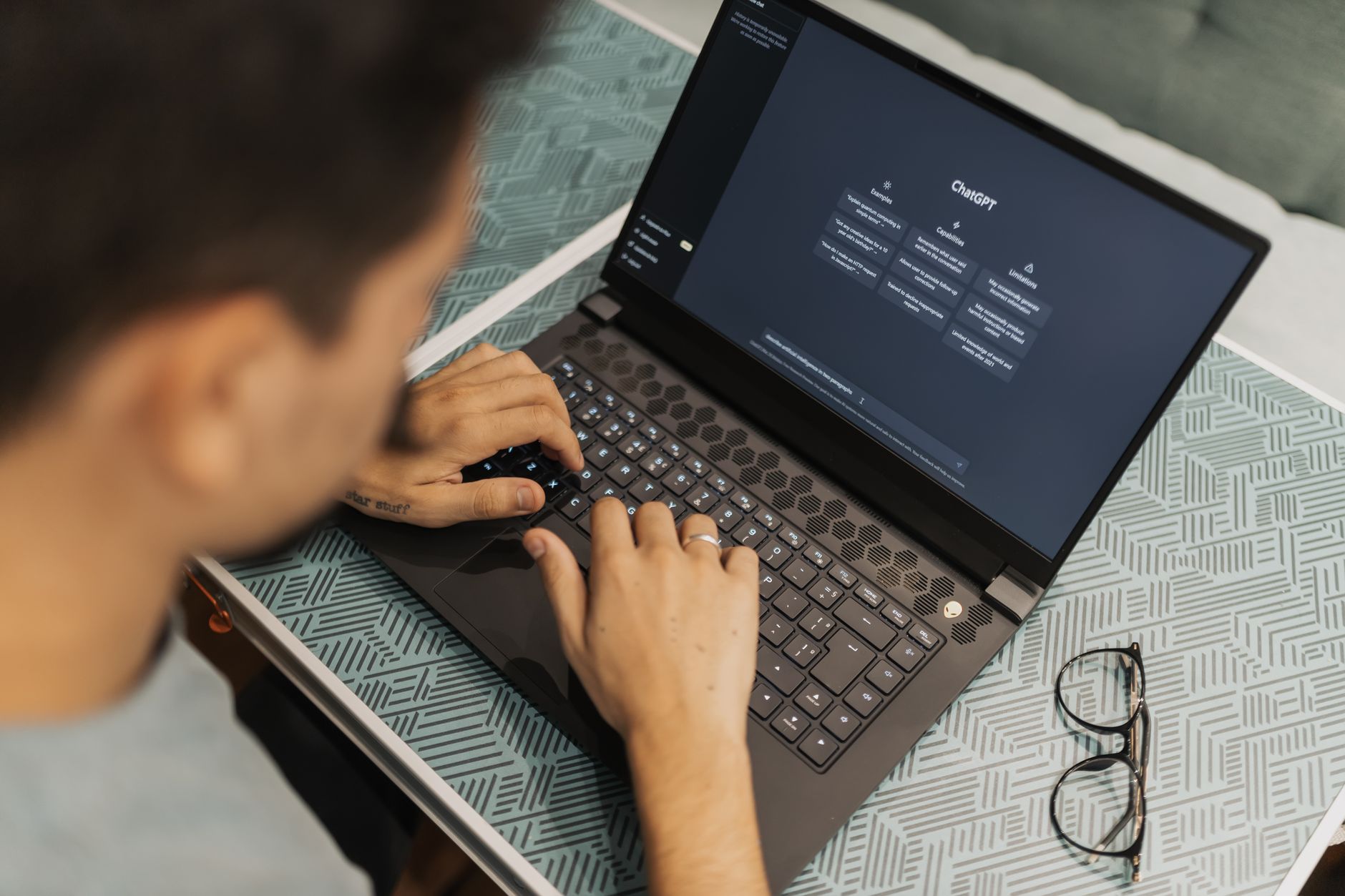
Manual transcription used to take four to six hours for one hour of audio. AI changed that math. In 2026, you can upload a file and get an accurate draft in minutes. The best AI transcription tools now handle speaker labels, summaries, captions, and even direct editing. This guide covers the top options for meetings, podcasts, interviews, and enterprise workloads. If you also need to improve your weekly workflow, check our list of AI productivity tools.
Accuracy is no longer the only factor. Efficiency matters just as much. Some tools turn audio into text but force you to copy and paste elsewhere. Others let you edit, clip, and share from one screen. The right tool depends on your file length, speaker count, language mix, and budget. We ranked tools based on real workflows, not just benchmark numbers.
One key split is between consumer apps and developer APIs. Consumer apps like Otter.ai and Descript give you a simple interface. APIs like OpenAI Whisper and Deepgram give you raw speed and control. A developer-focused guide can help if you plan to build transcription into your own product.
Before you pick a tool, think about privacy, accuracy, and volume. A podcaster might handle three hours a week. A support team might produce thirty hours a day. That difference changes the pricing and compliance math. Our picks below cover both ends of that spectrum.
What You’ll Need
- computer
- audio or video file
- internet connection
- free account for tool trial
How Do You Best AI Tools for Transcription in 2026?
- Start with OpenAI Whisper for raw audio accuracy
OpenAI Whisper is the baseline for modern transcription accuracy. It supports 98 languages and performs well on clean audio. The API charges $0.006 per minute. The open-source model runs free on your own hardware. That makes it a flexible starting point.
You can upload files up to 25 MB through the API. For longer recordings, you need to split the audio first. Many developers build a pipeline that chunks audio before sending it to Whisper. If you plan to do that, see our developer tool guide.
The main trade-off is speed. The API is not always the fastest option for very long files. Still, the accuracy on standard interviews is hard to beat. For podcasts and single-speaker lectures, Whisper often produces fewer errors than cloud rivals.
But Whisper has no built-in editing interface. You get raw text, not a workspace. That is why many teams pair Whisper with Descript or Rev AI. Check the OpenAI Whisper documentation for current model versions and limits.
- Use Descript for editing-driven transcription and content creation
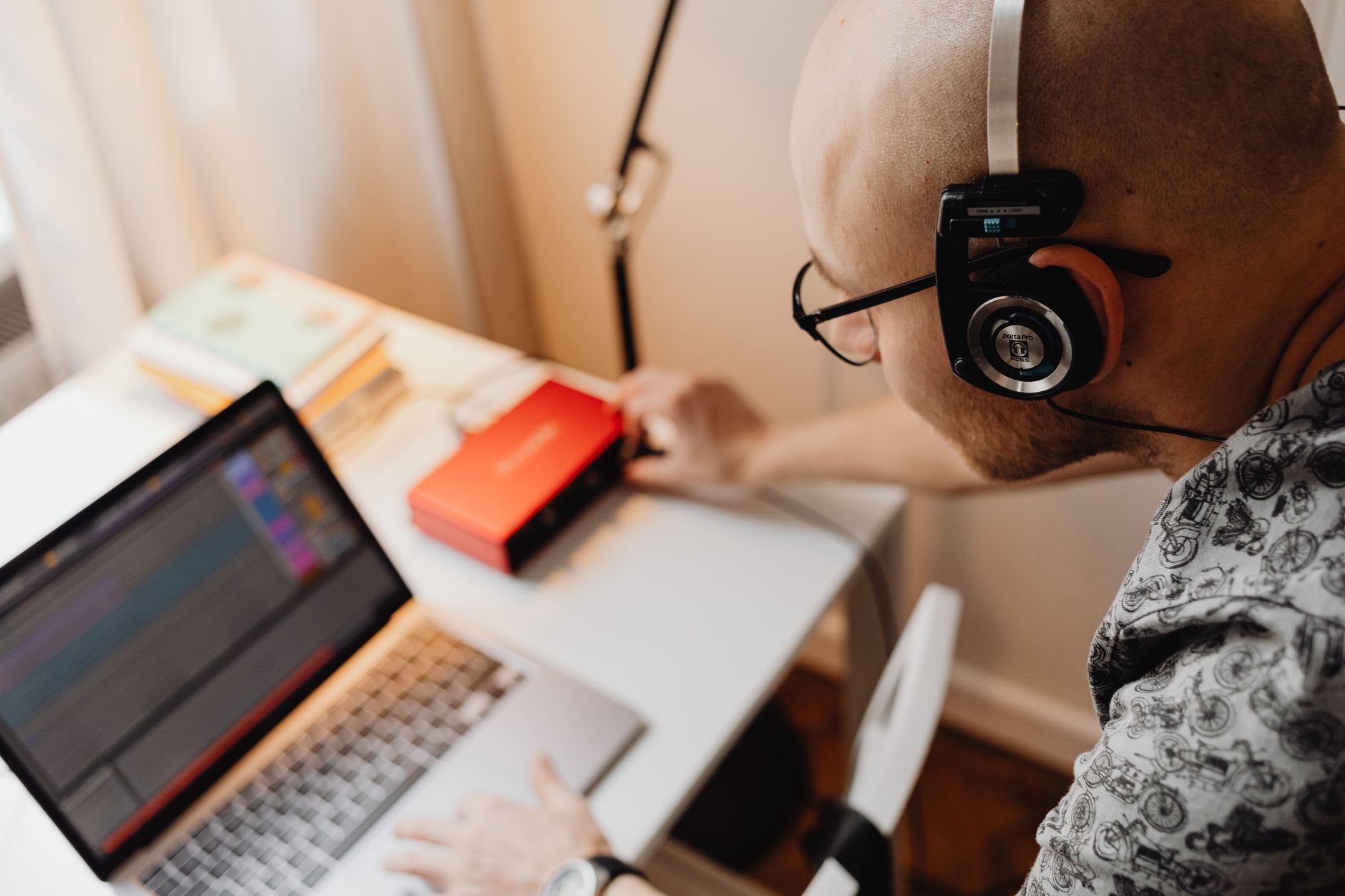
Descript combines transcription with a full audio and video editor. You edit the text and the underlying media changes at the same time. It removes filler words, silences, and repeated lines with one click. The free plan includes one transcription hour per month. Paid plans start around $12 per editor per month.
Content creators depend on this workflow. You can turn a long podcast into clips, captions, and summaries without leaving the app. Descript also supports multiple speakers and speaker labels. That makes it a strong fit for interviews and panel discussions.
The learning curve is steeper than Otter.ai. You get many editing tools that a simple transcription app lacks. Still, if you already produce video, this tool replaces several separate steps. See our video editing AI tools guide for related tools.
One downside is file management. Large projects with many files can get messy. Descript works best when you record directly in the app or upload well-organized files.
- Use Otter.ai for meetings and automated summaries
Otter.ai is the easiest tool for live meeting transcription. It connects to Zoom, Google Meet, and Microsoft Teams. It captures speech in real time and tags speakers automatically. The free plan gives you 300 minutes per month with a 30-minute cap per meeting. Paid Pro plans start around $8.33 per month when billed annually.
Otter also generates action items and summaries. After a call, you can search the transcript for decisions and follow-ups. That saves team members from rewatching recordings. Our productivity tools roundup includes other meeting-focused AI apps.
Accuracy is strong for standard meetings. But it can struggle with heavy accents, crosstalk, and weak microphones. You should still review action items before sharing them with your team.
For teams that live in meetings all day, Otter’s paid tiers remove the per-conversation cap. That change alone makes the upgrade worth it for heavy users.
- Evaluate Rev AI for compliance and high-volume API workflows
Rev AI is built for businesses that need dependable, large-scale transcription. It offers both automated and human transcription. Automated AI transcription costs $0.02 per minute. Human transcription costs $1.50 per minute and includes professional review.
Rev AI supports APIs with speaker diarization, timestamps, and custom vocabularies. It also meets HIPAA standards for healthcare data. If your company handles sensitive audio, this compliance angle matters. See our guide to using AI for business for more context.
The platform also has a polished user interface. You can upload files through a web app and manage projects without code. But smaller teams may find the per-minute pricing adds up quickly.
For legal, medical, and research teams, Rev AI is a solid pick. Accuracy on clean English audio is high. The human review option catches errors that automated tools miss.
- Use Deepgram for developer speed and custom models
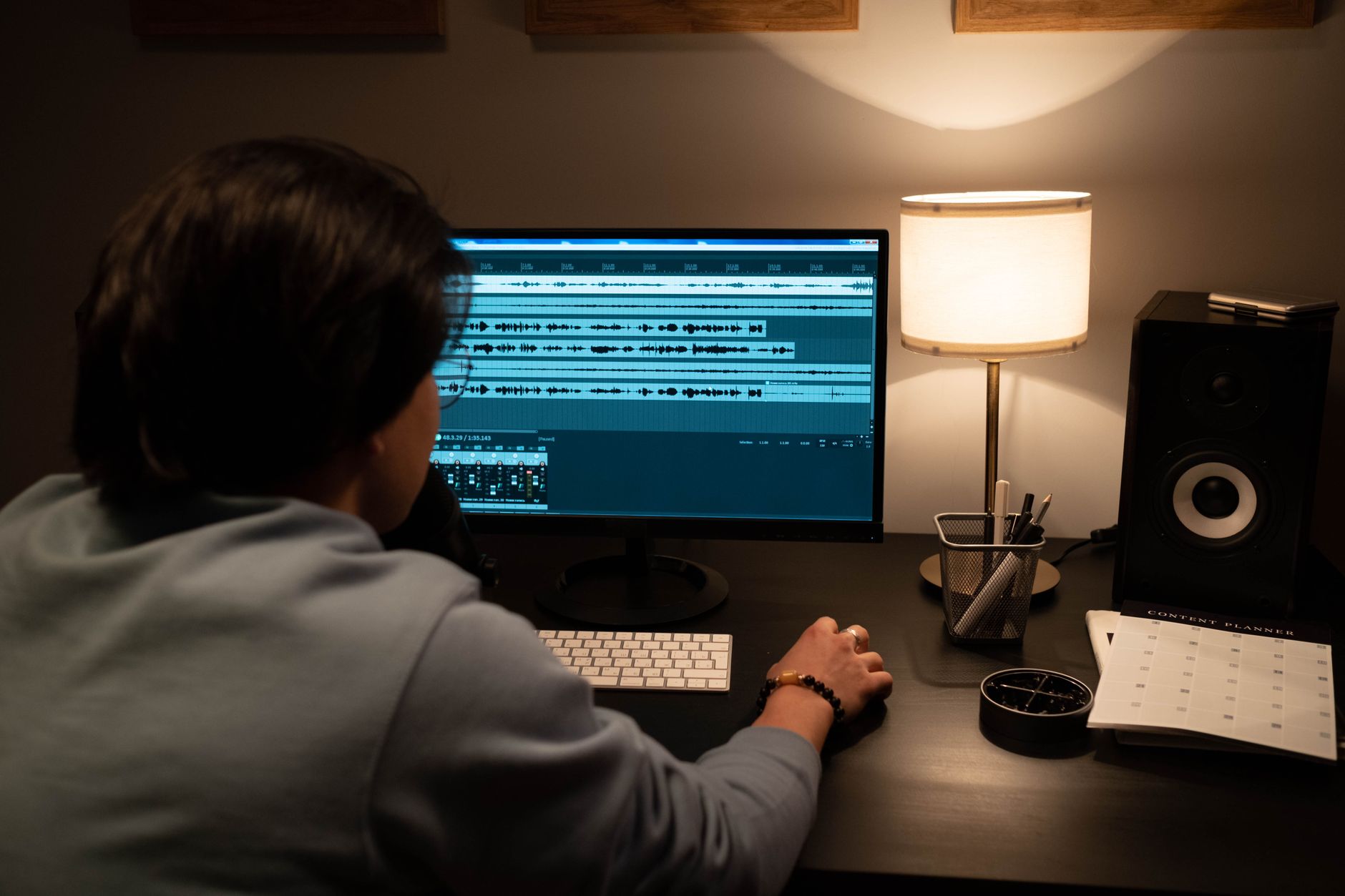
Deepgram is a developer-first transcription API. It focuses on low latency and custom keyword training. The Nova-2 model often transcribes audio faster than real time. Deepgram gives new users a $200 credit. Standard pricing starts around $0.0043 per minute for streaming audio.
You can fine-tune models for domain-specific words, like medical terms or brand names. That custom vocabulary improves accuracy for niche teams. The API also includes live captions and sentiment analysis.
Deepgram is not an app for non-technical users. You need to write code or use tools like Zapier. If you build internal workflows, pair it with a no-code platform. Consider our developer AI tools guide for related options.
For real-time transcription at scale, Deepgram is hard to beat. Its streaming endpoint handles call centers and live events. But you will need to manage your own storage and UI.
- Consider Trint for journalism and content workflows
Trint targets journalists, researchers, and content teams. It combines transcription with a clean editor for highlighting quotes and pulling soundbites. There is no permanent free tier, but a seven-day trial gives you full access. Paid plans start around $48 per user per month for unlimited transcription.
The workflow is built around story production. You can search across multiple transcripts, highlight key quotes, and export text or subtitles. Writers who interview many sources find this saves hours. Our writer AI tools guide covers other writing-focused options.
Trint supports over 40 languages. It also offers live transcription for events. Accuracy is strong on broadcast-quality audio but can dip with noisy phone recordings.
The main downside is price. Small teams may find Trint too expensive for occasional and light transcription. Still, for daily interview workflows, it is one of the best purpose-built tools.

- Use Microsoft Azure AI Speech for enterprise cloud integration
Microsoft Azure AI Speech fits teams already inside Microsoft 365 and Azure. It transcribes audio and video in over 100 languages. The free tier gives you five audio hours per month. Standard pricing runs about $1 per audio hour after that.
Because it lives inside Azure, you can connect it to Blob Storage, Power Automate, and Teams. That removes the need to export files between apps. For enterprise workflows, this integration can save hours each week. See our small business AI guide for simpler setups.
Azure AI Speech also provides real-time captions and speaker separation. It works well for recorded meetings, customer service calls, and compliance archives. The service meets many enterprise security requirements.
The learning curve is steeper than consumer apps. You need an Azure subscription and some configuration knowledge. But once set up, the service can scale to thousands of hours. Check the Microsoft AI documentation for current quotas and tier details.
Red Flags & Warnings
- 🚨 Per-minute pricing adds up fast. A 10-hour podcast at $0.02 per minute costs $12. That is fine for occasional use but expensive for daily batches. Calculate your monthly volume before buying a paid plan.
- 🚨 Free tier caps can stop meetings early. Otter free plan limits single conversations to 30 minutes. That can cut off a standard hour-long meeting. Read the fine print before relying on free plans.
- 🚨 Cloud transcription may violate privacy rules. Never upload patient, client, or legal audio without checking your compliance obligations. Use self-hosted Whisper or a HIPAA-compliant service for sensitive data.
- 🚨 Accuracy drops with accents, crosstalk, and background noise. AI can mishear names and numbers. Always review medical, legal, and financial transcripts manually.
- 🚨 Speaker labels are not always correct. Diarization can swap speakers when voices sound similar. Verify speaker labels before publishing quotes or summaries.
- 🚨 Proprietary formats can lock you in. Some tools store transcripts in their own cloud only. Export plain text or SRT files after each project to keep your data portable.
Frequently Asked Questions
What is the most accurate AI transcription tool in 2026?
OpenAI Whisper and Rev AI both score high on clean audio accuracy. Whisper is more flexible and cheap through the API. Rev AI adds human review for near-perfect legal or medical use cases. For noisy audio, Deepgram custom models can match or beat Whisper.
Are there free AI transcription tools?
Yes. Otter.ai offers 300 minutes per month with a 30-minute per-conversation cap. Descript gives one transcription hour per month. Azure AI Speech includes five hours per month. Trint offers a seven-day trial but no permanent free plan.
Can AI transcription handle multiple speakers?
Most tools include speaker diarization. Otter, Rev AI, Azure, and Descript label different speakers automatically. Accuracy varies with voice similarity and overlapping speech. You can often correct labels in the editor.
Is OpenAI Whisper better than Otter.ai?
For raw accuracy and cost, Whisper is often better for long, clean recordings. But Otter adds meeting integrations, live capture, and summaries. Choose Whisper for bulk transcription or development. Choose Otter for direct meeting workflows.
How much does AI transcription cost in 2026?
Costs range from $0.0043 per minute with Deepgram to $0.02 per minute with Rev AI. Consumer plans often start around $8 to $12 per month. Enterprise cloud services like Azure charge about $1 per audio hour after a free tier.
Do AI transcription tools work offline?
Most cloud apps require an internet connection. You can run open-source Whisper locally for offline transcription. That option needs a decent GPU for fast processing. Offline is best for sensitive audio or travel.
What Should You Remember?
- Match the tool to the job. Meeting teams need Otter.ai. Content editors need Descript. Developers need an API like Whisper or Deepgram.
- Accuracy is strong but not perfect. Review names, numbers, and quotes before publishing. Human review still matters.
- Pricing is per minute. Check your monthly audio volume before choosing. Free tiers hide caps.
- Free tiers are limited. Otter caps meetings at 30 minutes. Azure gives five hours per month. Descript gives one hour.
- Privacy matters. Use self-hosted Whisper for sensitive audio. Cloud tools may not meet HIPAA or GDPR rules.
- Export your transcripts. Download text or SRT files often. Avoid being locked into one app.
- Integration saves time. Tools that connect to Zoom, Teams, or your editor reduce manual steps.
This article is for general information only and does not constitute professional advice. Product capabilities, pricing, and market figures change frequently. Always verify current details through vendor documentation and primary sources.
Some links on this page may be affiliate links, which means we may earn a commission if you click through and make a purchase — at no additional cost to you. Read our full disclosure.